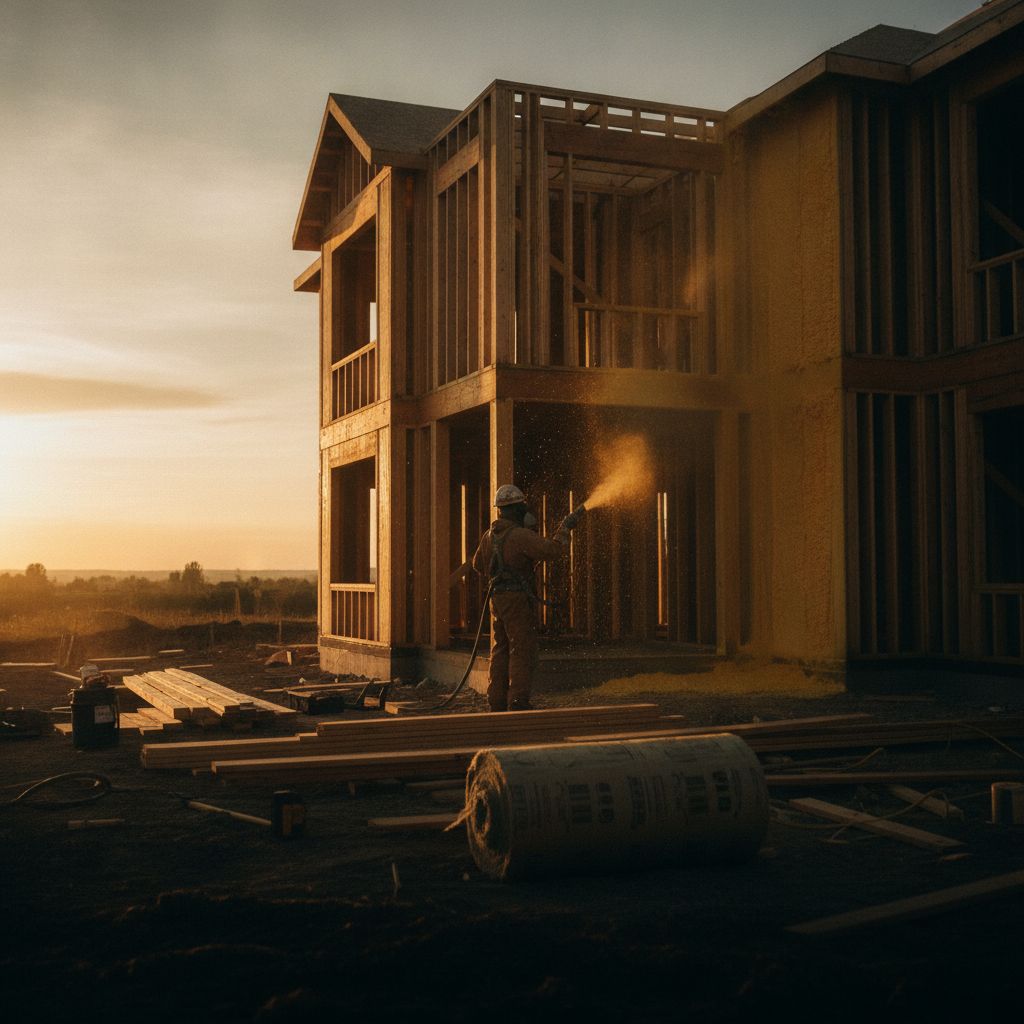
Spray Foam Insulation Cost: What Drives the Price Per Board Foot
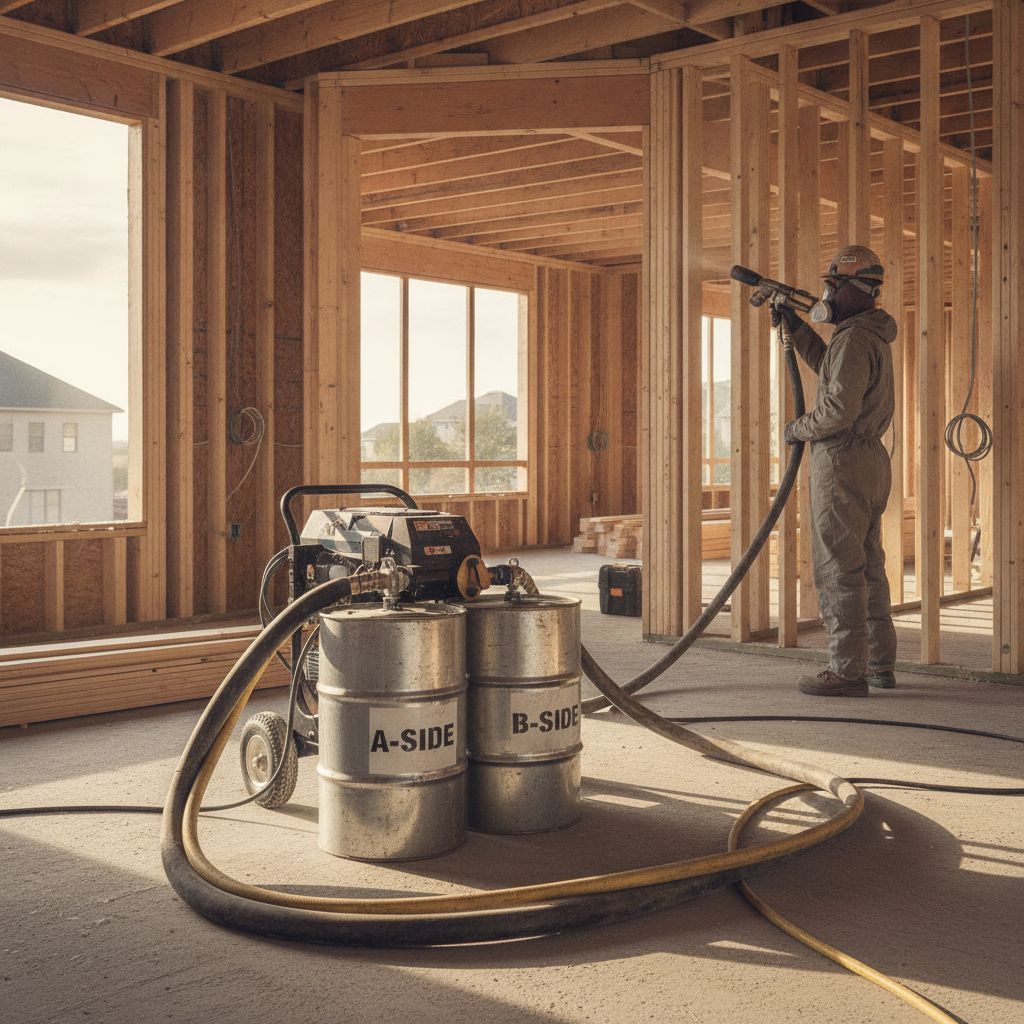
Spray foam is priced by the board foot — one square foot of coverage at one inch of thickness — which is a more precise unit than the flat per-square-foot numbers often quoted for other insulation types, but it also means the final price depends on more variables than most quotes make obvious upfront.
Foam Type Is the Biggest Single Variable
Open-cell foam typically runs somewhere in the neighborhood of $0.45-$0.65 per board foot installed; closed-cell typically runs $1.00-$1.50 per board foot installed, roughly two to three times more. That gap reflects closed-cell's higher material density, more expensive blowing agent chemistry, and the additional R-value and structural performance it delivers — not simply a markup. A quote that seems unusually cheap for closed-cell foam is worth a second look at what's actually being sprayed.
Accessibility and Prep Work
A wide-open, easily accessible attic or new-construction wall cavity costs meaningfully less to spray than a cramped crawlspace, a finished space requiring drywall removal, or a roof deck needing extensive substrate prep before application. Moisture testing, substrate cleaning, and masking off areas that shouldn't be sprayed all add labor time that a flat per-square-foot estimate doesn't always capture — which is why an accurate quote requires an in-person walkthrough, not just square footage over the phone.
Job Size and Equipment Mobilization
Smaller jobs carry a higher effective cost per board foot because equipment mobilization, setup, and minimum-job charges get spread across less total coverage. A single rim-joist air-sealing job will cost more per board foot than a full new-construction wrap, even though both use the same chemistry and equipment.
Regional Labor and Material Costs
Like most specialty construction trades, spray foam labor rates vary meaningfully by region, and material shipping costs factor in for less densely served markets. Two identical jobs in different parts of the country can reasonably differ by 20-30% on total price for entirely legitimate regional-cost reasons.
Why the Cheapest Quote Is Often the Riskiest One
Off-ratio application — the same root cause behind shrinkage, odor complaints, and the mold and
resale problems covered in our reputation science guide
— is more likely on a job priced to win on price alone, because ratio control depends on a
well-maintained, properly calibrated proportioner and an applicator taking the time to verify it in
field conditions. A quote priced meaningfully below the regional range for the specified foam type
and thickness isn't automatically a bad job, but it's a legitimate reason to ask how the contractor
verifies mix ratio on-site, not just what the bottom-line number is.
Board Feet vs. Square Footage: Reading Your Quote Correctly
Because pricing is per board foot (one square foot at one inch thick), the same square footage can
produce very different total costs depending on target thickness. A 1,000 sq ft attic sprayed at
3 inches of open-cell is 3,000 board feet; the same attic at 6 inches is 6,000 board feet — double
the material cost for double the thickness, even though the "square footage" on the quote looks
identical. Always confirm the specified thickness, not just the area, before comparing two quotes.
What a Legitimate Quote Should Break Down
A trustworthy quote should specify the foam type (open- or closed-cell), the target thickness (and therefore R-value), the total board feet, and any prep work included — not just a single bottom-line number. That breakdown is also what lets you compare quotes from different installers on an apples-to-apples basis, rather than comparing two very different scopes of work that happen to produce similar-looking totals.
Learn the chemistry behind the price difference, or get matched with a certified installer for a project-specific, itemized quote.